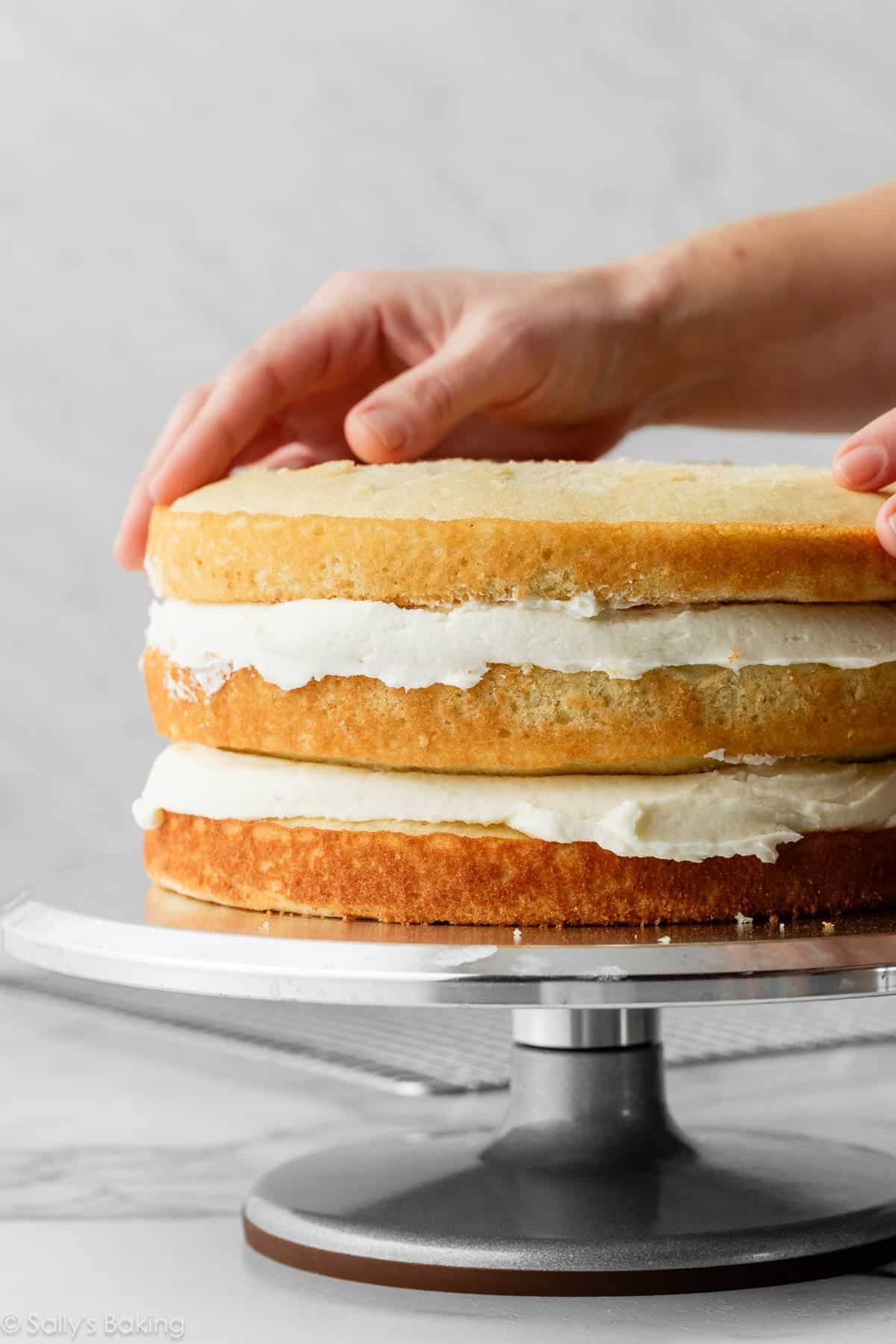
How to Freeze Cake: Keep it Fresh & Delicious for Months
Who hasn't experienced the delightful dilemma of having too much delicious cake? Whether it's a celebratory birthday cake, a holiday dessert, or just an ambitious baking project, the thought of letting any of it go to waste can be heartbreaking. The good news is, you don't have to! Learning how to freeze cake is a culinary superpower that allows you to extend its life, preserve its flavor, and enjoy a sweet treat long after the candles have been blown out. Imagine having a perfect slice of your favorite cake ready to go whenever a craving strikes – that's the magic of proper freezing. Freezing cake isn isn't just about preventing waste; it's also about convenience. It allows you to bake ahead for future events, or simply portion out leftovers into individual servings for a quick indulgence. With the right techniques, you can ensure your frozen cake tastes just as fresh and delightful as the day it was baked. Let's dive into the essential steps and expert tips to master this valuable skill.Preparing Your Cake for the Freezer: The Foundation of Freshness
Before you even think about wrapping your cake, preparation is absolutely critical. The goal is to lock in moisture and flavor while preventing the common culprits of freezer damage: freezer burn and absorbed odors.The first and most important rule for freezing cake is to ensure it is completely cooled to room temperature. Freezing a warm or even slightly warm cake will result in condensation forming inside the wrapping. This moisture turns into ice crystals, which can lead to a soggy, gummy, or crumbly texture upon thawing. Patience here is key – let your cake cool thoroughly, ideally for several hours or even overnight, before proceeding.
Next, consider the type of cake and frosting. While many cakes freeze beautifully, some fare better than others:
- Excellent Freezers: Butter cakes, pound cakes, unfrosted sponge cakes, and most dense cakes. Frostings made with a high fat content, like buttercream and cream cheese frosting, also freeze exceptionally well as their fat content helps protect the cake.
- Proceed with Caution: Cakes with delicate fillings such as fresh fruit, fruit curd, or whipped cream can become watery, mushy, or separate after freezing and thawing. Meringue-based components can also lose their crispness and become chewy. If your cake contains these, it's often best to freeze the cake unfrosted and add delicate elements fresh after thawing.
For frosted cakes, a clever trick is to briefly pre-chill the cake in the refrigerator for about 20-30 minutes. This firms up the frosting, making it much easier to wrap without smudging or sticking, ensuring your beautiful decoration remains intact.
Step-by-Step Guide: How to Freeze Cake (Whole & Slices)
The method for freezing will vary slightly depending on whether you're preserving an entire cake or individual slices. Both approaches prioritize airtight protection to maintain quality.Freezing a Whole Cake
Freezing a whole cake is ideal for larger celebrations or if you plan to serve it as a centerpiece later. Follow these steps for optimal results:
- Cool Completely: As emphasized, this is non-negotiable.
- Initial Airtight Wrap: This is your primary defense against freezer burn and foreign odors. Use several layers of heavy-duty plastic wrap. Ensure the plastic wrap is pulled taut and adheres directly to the entire surface of the cake and frosting, creating an airtight seal. You'll want at least 2-3 layers to be thorough. This protective layer is vital for keeping your cake tasting fresh and preventing it from absorbing any "freezer smells."
- Second Protective Layer: After the plastic wrap, tightly wrap the entire cake in a layer of heavy-duty aluminum foil. This adds an extra barrier against temperature fluctuations and helps prevent any physical damage to the cake, especially if it's going to be moved around in the freezer.
- Optional Outer Container: For cakes with delicate decorations, or if your freezer tends to be crowded, consider placing the double-wrapped cake into a sturdy, freezer-safe container or a cardboard cake box. This provides an additional layer of protection against accidental bumps.
- Label and Date: Use a permanent marker to clearly write the type of cake and the date it was frozen on the outer foil or container. This helps you keep track of your frozen goodies and ensures you enjoy them within their optimal timeframe.
- Freeze: Place the wrapped cake in a flat, stable spot in your freezer where it won't be crushed.
A properly frozen whole cake can typically last for 3-4 months, though some denser cakes might remain good for up to 6 months.
Freezing Cake Slices or Pieces
Freezing individual slices is perfect for portion control and instant gratification. This method is incredibly convenient for a quick dessert anytime.
- Cut into Desired Sizes: Slice the cake into individual servings or larger pieces as preferred.
- Initial Airtight Wrap: Just like with a whole cake, each individual slice needs to be wrapped meticulously. Use 2-3 layers of heavy-duty plastic wrap, ensuring it's pulled tightly and directly against all surfaces of the cake and frosting. The goal is to eliminate any air pockets.
- Second Protective Layer: Wrap each plastic-wrapped slice in a layer of aluminum foil. This offers extra protection against freezer burn and helps maintain the slice's shape.
- Freezer Bag or Container: Gather your individually wrapped slices and place them into a large freezer-safe ziplock bag or an airtight freezer container. If using a bag, press out as much air as possible before sealing. This adds another layer of protection and keeps your slices organized.
- Label and Date: Write the contents (e.g., "Chocolate Fudge Cake Slices"), the number of slices, and the date frozen on the bag or container.
- Freeze: Place the bag or container in the freezer.
Individually wrapped cake slices typically maintain their quality for 2-3 months.
The Art of Thawing: Bringing Your Cake Back to Life
The golden rule for thawing any frozen cake is to keep it wrapped until it has fully thawed. As the cake warms, condensation will form on the outside of the wrapping, not on the cake itself. Unwrapping too soon exposes the cake directly to this moisture. For more in-depth insights into preventing sogginess, check out our article: Avoid Soggy Cake: Expert Thawing Tips for Perfect Texture.
Thawing a Whole Frozen Cake
For a whole cake, a slow thaw in the refrigerator is highly recommended to mitigate condensation and maintain its texture.
- Transfer to Fridge: Move the wrapped cake directly from the freezer to your refrigerator.
- Allow to Thaw Slowly: A full-sized cake can take anywhere from 12 to 24 hours to thaw completely in the fridge, depending on its size and density. Smaller cakes might thaw faster.
- Unwrap Only When Thawed: Once the cake feels completely soft to the touch (still wrapped), remove it from the fridge. Let it sit on the counter, still wrapped, for another 1-2 hours to allow any external condensation to dissipate and to bring it closer to room temperature for optimal serving.
- Serve: Carefully unwrap your cake and serve!
Thawing Frozen Cake Slices
Thawing individual slices is much quicker and offers a bit more flexibility:
- Fridge Thaw: Transfer wrapped slices from the freezer to the refrigerator. They typically take about 2-3 hours to thaw.
- Counter Thaw: For a quicker option, place individually wrapped slices directly on the kitchen counter. Depending on the size of the slice and room temperature, they should thaw in about 1 hour.
- Unwrap and Enjoy: Once thawed and any external condensation has dissipated, unwrap and enjoy your perfectly preserved slice of cake!
While a microwave might seem like a quick fix, it's generally best to avoid it for thawing cake as it can unevenly heat the cake, leading to dry spots or a rubbery texture.
Tips for Success & Common Pitfalls to Avoid
Mastering the art of freezing cake extends beyond the basic steps. Here are some additional insights and warnings to ensure your efforts are always rewarded with delicious results:- Invest in Quality Materials: Heavy-duty plastic wrap and aluminum foil make a noticeable difference in preventing freezer burn. Don't skimp on these.
- Freeze Cakes Unfrosted for Best Results: If possible, freeze cake layers unfrosted. Wrap each layer individually and then assemble and frost after thawing. This is especially true for cakes with very delicate or moisture-sensitive frostings or fillings.
- Avoid Overcrowding Your Freezer: A densely packed freezer can hinder proper air circulation, leading to inefficient freezing and potential temperature fluctuations, which can affect food quality.
- Never Refreeze Thawed Cake: Once a cake has been thawed, it should not be refrozen. This can significantly compromise its texture and flavor, and also raise food safety concerns.
- Consider Air-Tight Containers: For added protection, especially for decorated cakes, placing the double-wrapped cake inside a hard-sided, airtight freezer-safe container can prevent crushing and further insulate against freezer odors.
- Listen to Your Nose and Eyes: While freezing extends shelf life, it doesn't last forever. If your cake looks discolored, smells off, or has significant ice crystals (beyond superficial condensation), it's probably past its prime.
For a broader perspective on preserving various foods, you might find valuable insights in our article: Preserve Your Cake: Best Freezing & Thawing Methods.
